

Bootstrapper's guide
How to Start a SaaS Business: The Bootstrapper's Mindset & Strategy Guide
I built my first SaaS in 2010. It took me 8 years of failed attempts before I scaled one to $61k MRR and sold it. Here's the brutally honest guide I wish I'd had when I started.
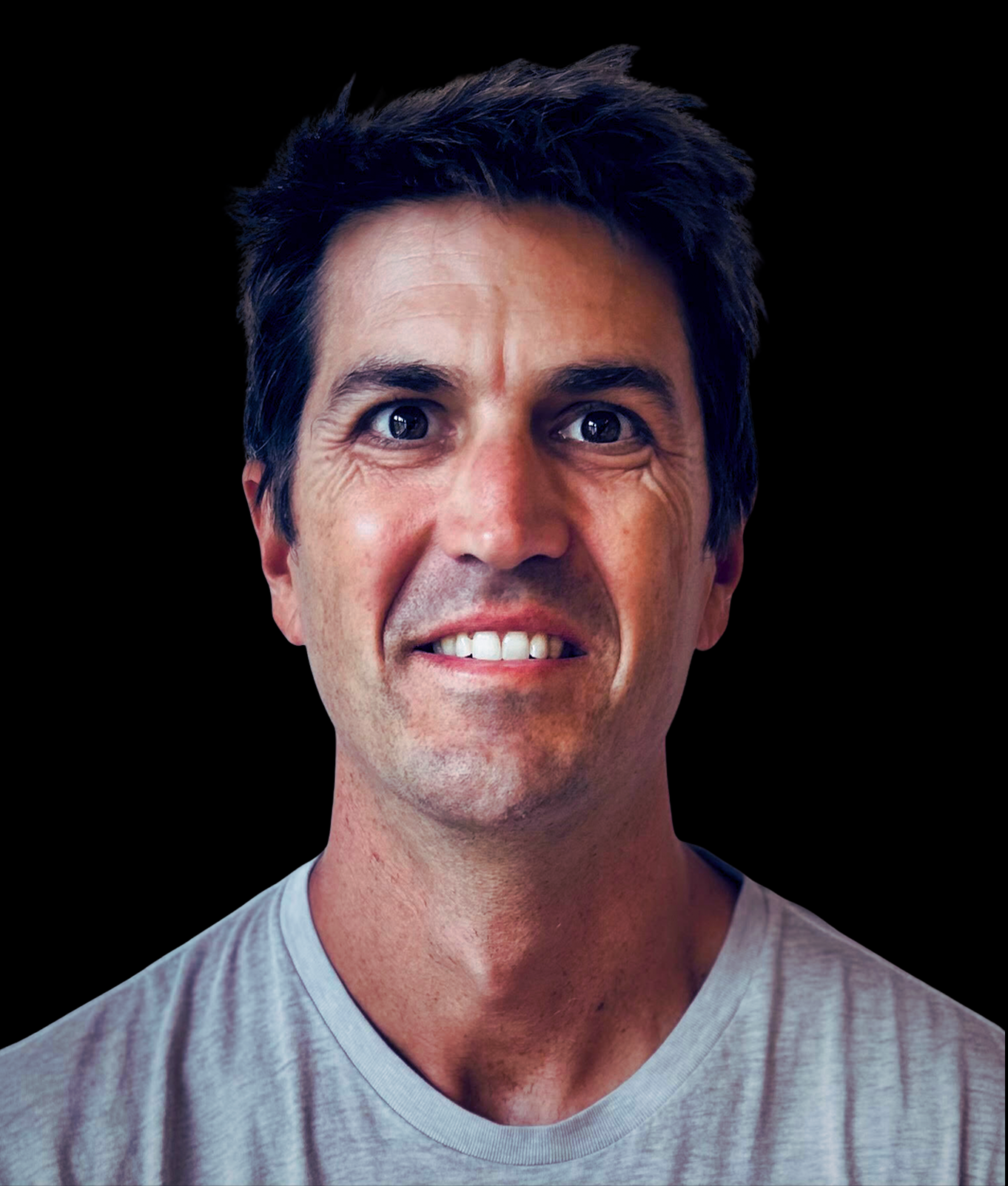 By Mac Martine
Introduction: Who This Guide Is For
Maybe you call yourself a bootstrapper, indie hacker, solopreneur, it's all the same. We're humans looking to make a living online with our digital creations.
Whether you're just starting out on your bootstrapper's journey, or you've been at it a long time and have not seeing the results you're looking for, I'm here to help prepare for the path ahead.
I believe most people don't succeed at this is because they quit too soon.
Have you ever found yourself saying or asking any of these things to yourself?
- "I don't know where to start"
- "What do I do next?"
- "Should I quit my job and go all in?"
- "How do I build a business while having a full time job?"
- "Am I too late? Should I have done this when I was younger?"
- "Is it all worth it?", "Should I quit?"
- "Do I have what it takes?"
- "What do all these successful people have that I don't have?"
If the answer is yes, I have good new for you: you aren't alone.
I don't know a single good entrepreneur that hasn't had some of those thoughts. I say a "good" entrepreneur here because the cocky people that think they know everything out of the gate are destined for failure.
And I have more good news: you're in the right place; these are the issue we're going to address in this course.
Who am I to talk about this?
I'm going to date myself here, but I first started tinkering with making money online in 2001. I then discovered SaaS somewhere around 2008.
I built my first true SaaS app starting in 2010, spending close to two years on it (big mistake number one) before shutting it down after making only $100 on it.
From 2001 to today, I've never stopped building. Until my exit in 2021 I worked on my projects obsessively, mornings and night for years. And when I had kids, I made time by waking up before everyone else to get time in before getting the kids up and ready for their day, and then I'd do more after I helped get them to bed. For me this hasn't just been something I wanted to do, I was something I had to do. Something I was going to do no matter what, and I wasn't going to stop.
Then finally in 2018 I had an app gain traction. I scaled it to $61k MRR in 2.5 years, solo, with no employees, at which point I sold it. It wasn't retirement money, but it was life-changing money. It bought me a lot of freedom, and after all, that was always my goal.
At the time of this writing, I'm living abroad with my wife and two boys in Valencia, Spain on a digital nomad visa. We lived in Croatia last year, and have traveled to 11 countries in the last 15 months since we left the U.S., all while working on new projects, when I want and how I want.
This is life on the other side - the life that many of us are striving for. You may not want to live abroad, but I bet you'd like to have the option to live how and where you want. I bet you want to be able to decided how you spend your day, when you take vacations, and where you work from. I bet you'd like to wake up to email notifications of customer payments that came in while you were sleeping.
And while we often look ahead to living a certain lifestyle, for many of us, taking this path of building things and trying to make money off of them, is just what we do. That is, we wouldn't have it any other way, and we'll keep at it as long as it takes. I know that's how I felt. I was never something I had to force myself to do, I was going to do it no matter what.
You may be wired this way too, but based on surveys to the readers of my newsletter, the SaaS bootstrapper, chances are, you're not.
No matter how you're wired, or where you're starting from, there's a lot we can do to position you to get to where you want to be, and faster.
Setting Realistic Expectations for Starting a SaaS Business
"Entrepreneurship is a bumpy road that ends smooth" - Daniel Priestley.
First things first: This path is hard as hell, and can take a long time.
Let's get a few big things out of the way.
First, this journey is no walk in the park. In fact it's often hard as hell and there are no guarantees.
If you are looking to get rich quick, or to retire on the beach soon, this is not for you.
These things can happen, but it won't for most of us.
Don't be fooled when you see the someone with impressive growth numbers. There was almost always a long path leading up to it that you don't see. It's rarely as easy as it seems from the outside.
As for myself, I built my first real SaaS app in 2010. It wasn't until 2018, eight years later, that I saw any success.
When I finally had a success (with a LinkedIn automated outreach tool), it grew very quickly, from zero to $61k MRR and an exit in two and a half years.
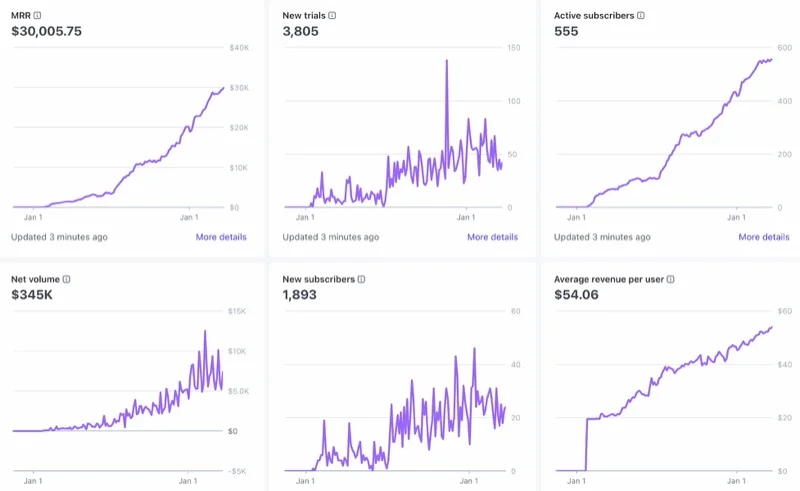
How Long Does It Take to Build a Successful SaaS?
Pieter Levels, one of the most popular indie hackers, had a similar arc to his journey. These "overnight success" stories are generally many years in the making.
And while there's a tendency to label our unsuccessful projects as "failures", they're often a pre-requisite to success; they're a required part of the process.
You need to have the long haul in mind.
While you can hope to reach certain goals over time - and I believe you will if you don't quit - one of the biggest favors you can do for yourself is lower your shorter term expectations. I believe most people quit becauase they're have unrealistic expecations of when they're see the results they're looking for.
Don't go quitting your job yet.
Don't expect to replace your six-figure salary in a few months.
Start small. Focus on the process not the results. Enjoy it.
If you focus too much on the results, you are bound to be disappointed.
That said, with persistence and the right mindset, I believe you will get there.
If you take anything away from this entire guide, let it be this: Don't quit.
How we're going to get you there
I realize we're not all wired the same, and I've spent a lot of time analyzing what "successful" bootstrappers have that others don't, and it's not what you'd expect. It's not skills, or insider-knowledge, or some fancy business degree. It's determination, and an unwillingness to quit.
For some us us, that is wired into us. For others, we could use a little help. And to do that, it's all about our mindset.
Let's get one thing straight real quick: we aren't going to call unsuccessful attempts "failures", because they're not. We learn a ton from each attempt, and these attempts are often a pre-requisite for seeing the results we want to see. So I'll just be calling them "attempts" from here on out.
It's through these years of attempts and a success, filled with many highs and lows, that I've gained a lot of insight into what is required to make it as a bootstrapped indie hacker. This journey has been a real-life roller coaster, with some of the most challenging times of my life, as well as the most rewarding and fullfilling times of my life.
It's not a path for the faint of heart, it's not the easy or guaranteed path to wealth or freedom. It's in many ways the opposite - it's almost guaranteed to be a long and tough road.
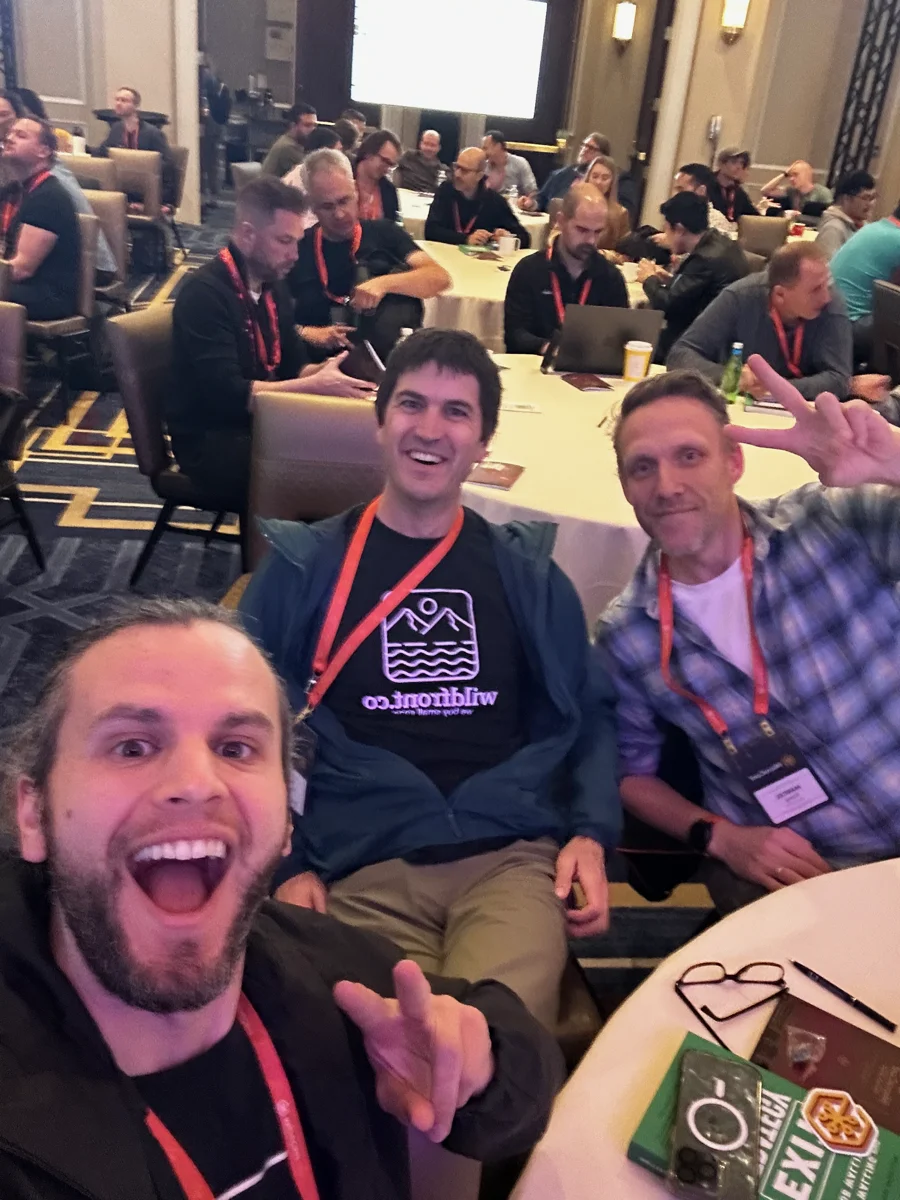
My favorite conference for bootstrapped SaaS founders, MicroConf, has adopted the term "misfits", for those of us that choose this path, because to those on this outside, it's a crazy choice. But hey, once you succeed at it, they'll know why. And until then, who cares.
While I can't guarantee anyone's success, it's my mission to help as many people as possible reach their goal of making a living building what they want to build, living they life they want to live, and have fun doing it. And at the very least, you'll learn a shit-ton.
The way we're going to do that, is to condition your mindset to be prepared for what's to come. To set realistic expecations and to not expect too much too fast. To help you focus on enjoying the process, not continuously analyzing the results. To stay inspired and motivated, and to have fun as much as possible.
After all, when it comes down to it, if you're having fun the rest will fall into place. If you're having fun working on your business, you'll naturally find more time to work on it.
And with enjoyment comes efficiency, because having to fight procrastination, and force yourself to do things, will slow you down tremendously.
And the clearer our mind is for making smart decisions and staying focused on the right things, the more momentum we'll create, and the more motivation we'll have.
Enjoying the process, and making smart decisions is the secret to being able to create a powerhouse of a business on your own, and much more quickly.
Let's get to it, shall we?
What It Really Takes to Start a Successful SaaS Business
You've got what it takes
We're just getting started, and I may have already scared you off. But hold on a second, there's something else you need to know - you have what it takes.
Especially if you're young, or just starting out, it's easy to look around and get the sense that all these people that are crushing it have something you don't have. That they're smarter than you, they've been coding longer than you, or are extroverted and you're painfully introverted. Or maybe you just tell yourself you have no idea how to sell anything or market a product.
Ignore all of that. It doesn't matter. We all started at the beginning, and we're all just figuring it out as we go. I've built countless apps, and I'm still just figuring it out as I go every time, and every time it's different.
If there's a magic formula for being successful as an indie hacker, I'd guess it's something like this: 10% skills, 20% luck/timing, and 70% determination/unwillingness to quit.
It's for this reason that The Bootstrapper's Mindset, is the first of many I've chosen to write - because I strongly believe it's the most critical.
Given the option between a great developer and someone not afraid to wade into unkown territoty and figure things out as they go, I would bet on the latter any day of the week.
I got this message recently, from someone on X, and it stood out among a sea of other messages, and I think you can see why. This message perfectly exemplifies the kind of mindset that will take you far:
The Role of Luck vs. Skill in SaaS Success
When a project doesn't get the results we expect, we tend to either blame some thing or some one, or, we question our own capabilities. When a project succeeds, we like to take all the credit.
As creators, we certainly have influence on the outcome of our projects, but it's valuable to recognize there's also plenty factors out of our control.
Factors we have control/influence over:
- Skills
- Market research
- Coding
- Customer conversations
- Decision making
- Strategy (having enough of a plan that we aren't slowed down by questioning things all along the way)
- AI models
- Mindset
Factors we have no/little control over:
- World events, political climate, economy, natural distasters, global epidemics, etc.
- Competition
Other:
- Luck
Some of the factors we don't have control over may or may not have the potential to affect us, depending on where in the world our business is, and the market we are in. Taking COVID-19 as an example, that was an event none of us had control over, that affected businesses around the world. It crushed many, while creating an opportunity for others to thrive. There are more localized examples of these types of rippling effects happening all the time that we have the potential to be affected by, and we often can't do much more than be willing and ready to adapt when the time comes.
Why is "luck" in a category of its own? Because it's an interesting one, and leads us into the overall strategy we take as creators and bootstrappers. Luck plays a sizable role in our success, believe it or not.
As an example, I recently became more active on X. As of this writing, I have posted on there 1,811 times. Most of those posts get little reach, and not a lot of engagement. However, I recently ad one post go viral in a pretty big way. Now, there's no way I could have known that post would resonate and take off in the way it did.
People don't just write one post and go viral the first time, nor can people go viral consistently, and intentionally. They can try, and they may get better at it, and be able to do so more frequently, but it can only happen by trying a lot of things. In this way, they are influencing their luck. They are creating more chances to have good luck.
The same is true in the projects we make as creators. We are generally better off trying a bunch of things, as opposed to going all in on one thing. Which points directly back to the discussion above about how many of the successful creators had a lot of attempts before having a hit.
Tony Dinh is an indiepreneur, making and marketing his own products. He had tried promoting one of his projects on a particular website, and gotten very little response. Then, 9 months later, someone posted the same link with the same subject, and it got 174 times as much attention.
So, we're starting to recognize that if we are to embark on this amazing, and rewarding journey, we need to be ready to endure some hard times. We need to expect that we'll question ourselves, and our decisions along the way. And we need to keep experimenting, trying different things, and not stop.
The Bootstrapper's Mindset: Overcoming Doubts When Starting a SaaS
Am I Too Old to Start a SaaS Business?
We're just getting started, and I may have already scared you off. But hold on a second, there's something else you need to know - you have what it takes.
Especially if you're young, or just starting out, it's easy to look around and get the sense that all these people that are crushing it have something you don't have. That they're smarter than you, they've been coding longer than you, or are extroverted and you're painfully introverted. Or maybe you just tell yourself you have no idea how to sell anything or market a product.
Can I even play this game?
Did I wait too long? Is this a game for single people without kids? Does my life situation allow for this?
You can do it. If you feel limited, all the more reason to have a good strategy and sharp decision-making skills.
Average age of successful founder is 45. I did it with kids.
How to Find Time to Build a SaaS While Working Full-Time
How do I find time for this?
We'll we talk more about how to make time etc. in the 'strategy' section, for now, just know you can.
Dealing with Impostor Syndrome as a SaaS Founder
Who am I to do this?
- We all start in the same place
- We're all figuring it out as we go
- You've got what it takes (remember, this isn't all about skill or brains)
Do I lack the skills (I'm constantly outside of my comfort zone)?
We generally aren't lacking skills we can't get on the go.
How to Stay Motivated When Building Your First SaaS
Early on, things are super exciting.
We mainly see the hope because we haven't yet hit challenges. We're raring to go. Super excited, energized, and motivated.
But as time goes on... We hit hurdles, challenges. Things get hard.
It's critical that we know that this is coming, and that this is normal and expected. And we need to have ways to persevere.
Some of the best ways are to have momentum, to see that things are progressing. This can be people showing interest in our idea or our product, or customers purchasing, or people reaching out for partnerships, or any of these things.
It's not even necessary that these potential signs of hope manifest into anything necessarily. Just the potential is enough to give us hope at times.
These two words, momentum and hope, come to my mind a lot.
Other things that can help keep us motivated and inspired when things are getting hard is to continue to learn and read or listen to books, join communities, make friends doing similar things. This helps to keep things top of mind and fresh.
Of course, we don't want to get carried away and spend all our time talking about the process and not doing it.
I find that the earlier on in the process I am, the more I'm involved in the community and reading. And once I hit a certain amount of momentum, that momentum is what drives me. And I am less engaged.
Mindset Hacks
Some of us, for one reason or another, are born with a powerful internal drive.
Others aren't.
I often see people, or hear people, talking about mindset hacks.
I'm not convinced someone can hack their way through this journey. However, there are some things and patterns I've noticed that can be helpful too. Get your mind in the state it needs to be in.
I like to find a balance between putting a fire under my ass, to feel a sense of urgency, yet know that if I really need it, I have a safety net.
My dad said, "one of the best things you can do to save money, is put everything you need slightly out of reach, and forget about it.".
I've been doing this for so long now that I had in a sense forgotten that I even do it.
But when I was asked recently if I think the mindset required to be successful as an entrepreneur can be "hacked", I realized a few things I do out of habit that could be considered mindset hacks:
I create (perceived) scarcity in things I wish I had more of:
1) Money: I keep very little money easily available. Seeing $152.85 in my checking account, for example, makes me feel a sense of urgency in making more. (If you're at the stage of opening a dedicated business account, here are the best business bank accounts for startups.)
I pay myself my average monthly expenses, then automatically put everything else a bit out of reach, such as in index funds.
I know in the back of my mind I can get it if need be, but I never have needed to except when buying a house.
2) Time: We'd all love more time in the day, but that ain't gonna happen.
Flipping that on its head - if I only give myself two hours to work in a day, it forces me to prioritize meaningfully.
Strategy: How to Find Your First SaaS Business Idea
The earlier we can have an overall bootstrapping strategy, the better. No matter what, we will find a lot of things to question along the way, and the more we can make a plan upfront, the less we can question, and the less friction we'll have along the way. One of the bigger decisions up front is if we plan to go all in on one idea, or if we want to experiment with a bunch of smaller bets.
Should You Go All-In on One Idea or Try Multiple Small Bets?
Personally, I am strongly in the camp of trying a bunch of different things, though admittedly it took me a long time to discover this.
After many years of building apps that didn't go very far, I found myself spending less and less time on each one before moving on. I found that the amount of time spent on an idea before getting it into the world did not correlate with the response I would get.
In fact, I spent about two years all in on one app that generated maybe $200.
Years later, I spent four weeks on an app and scaled it to 61k MRR within two and a half years.
Unfortunately there's no real science to how long you should spend on any particular product.
That's one of the biggest challenges as a bootstrapper and solopreneur, is knowing when to keep going, when to pivot, and when to scrap it all together.
The "Spreadsheet to SaaS" Framework for Finding Ideas
One of the most powerful frameworks for finding SaaS ideas comes from understanding a simple principle: where there's a spreadsheet, there's a potential SaaS opportunity.
This is what I call the "Spreadsheet to SaaS" framework, and it's based on a critical insight: a business needs to solve a problem to be viable. You need to start with a problem, not a solution.
Here's how it works:
Spreadsheets provide functionality to organize and sort any type of data, but not everyone is satisfied with spreadsheets as a solution because creating a viable solution can take significant effort. SaaS apps generally provide a solution to a specific problem or workflow in a simplified way.
The more sheets you look at, and the more people you talk to, the better chance of finding a killer idea and solving a big, common pain point.
Action steps:
- Examine your own spreadsheets - what are you tracking? What workflows are you managing?
- Ask friends and colleagues to share their spreadsheets
- Look for patterns - where are people using spreadsheets as makeshift solutions?
- Identify the pain points - what takes significant effort? What's clunky or error-prone?
- Consider: could this workflow be simplified into a purpose-built tool?
This approach works because spreadsheets reveal real problems that people are already trying to solve. They're spending time building these systems, which means they see value in the solution. Your job is to make that solution 10x easier.
How to Validate SaaS Ideas Without Building the Full Product
Another way I like to look at the bootstrapper's journey is having a goal and a destination in mind, yet being impartial to how we get there.
I like to say, we want to believe in our idea, but we don't want to be married to it.
What I mean by this is, if we are too set on a particular idea and opinionated about it, we risk trying to force something into the world that the world doesn't want. And we shut ourselves off to feedback from the market and our potential customers.
Meanwhile, this feedback is critical to understanding problems we can solve and how to solve them. If I'm on a raft in the middle of a lake, my goal might be simply to get to land.
If I'm partial to where I arrive on land, I might find myself paddling directly into the wind.
Whereas if I am impartial to how I get there, I can ride the breeze and current and arrive on land faster and with less effort.
This metaphor also shines light on the benefits of a small bet strategy.
We just never know what's going to resonate and what isn't.
It's dangerous to make assumptions about what the market wants, even if you feel convinced that you are solving a valuable problem.
Building Your Support System as a SaaS Founder
They say that you become the average of the five people that you hang around the most. I think about this a lot - though I loosen it up a bit and say it's not limited to 5, nor do they necessarily have to be the people you spend all your time with.
In 2016, after many years of building apps that went nowhere, I decided to do something selfish. I started a podcast with the same name as my prior newsletter before starting Wildfront, The SaaS Bootstrapper, where I interviewed founders who were having the success I was striving for.
I reached out to people I admired and asked if they'd be on my podcast.
Most of them said yes.
I had people like:
- Ruben Gamez of Bidsketch
- Mike Perham of Sidekiq
- Courtland Allen of Indie Hackers (the early days!)
- Tyler Tringas
- Natalie Nagele of Wildbit
This was a somewhat selfish endeavor because it was a way for me to pick the brains of all these people that I wanted to talk to. I knew that if I just reached out and asked if they'd hop on a video call with me one-on-one, chances were slim they'd accept.
So instead, I asked if they'd be willing to be on my podcast. This gave them an incentive and was therefore an easier way for me to get access to their brains.
It wasn't long after I started that podcast that one of my apps started to take off (Castanet, a LinkedIn outreach tool).
Castanet
$3.3M Lifetime Revenue
Aware
$450k Lifetime Revenue
Zencast
$264k Lifetime Revenue
I attribute the success of that app to several things, one of which was the podcast. More specifically, being around that energy, learning from them, and seeing that while they were all incredibly smart, they didn't necessarily have any skills or talents that I didn't have or couldn't learn along the way.
This gave me a lot of confidence and fueled my fire, and before long, I was one of "them."
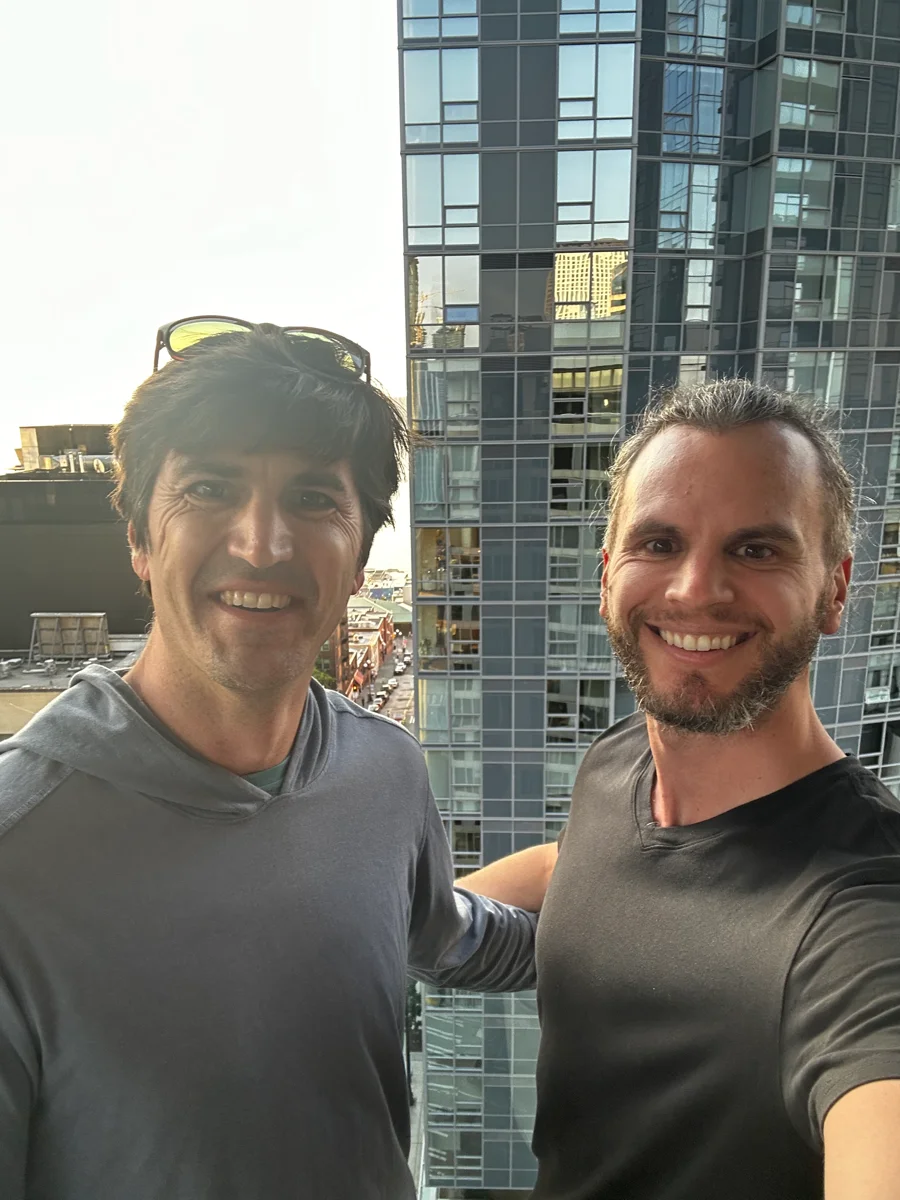
The unfortunate part of my app doing well was that after a while I didn't have the capacity for the podcast anymore and needed to shut it down. In many ways, I wish I hadn't done that, but... tradeoffs.
Regardless - especially for those just starting out - immersing yourself in the energy of people on the same path as you is invaluable and will upgrade you in more ways than you know.
Best Communities for Bootstrapped SaaS Founders
For example, yesterday I got back from my fourth MicroConf. This time in Lisbon, Portugal.
I've now attended two in the U.S. and two in Europe.
Something about this one topped them all.
I think it was a combination of the people and my mindset.
Like many of us, I can have a hard time inserting myself into groups of people I don't know.
It certainly helped seeing familiar faces from last year's conference in Malta. With them, we picked right up where we left off.
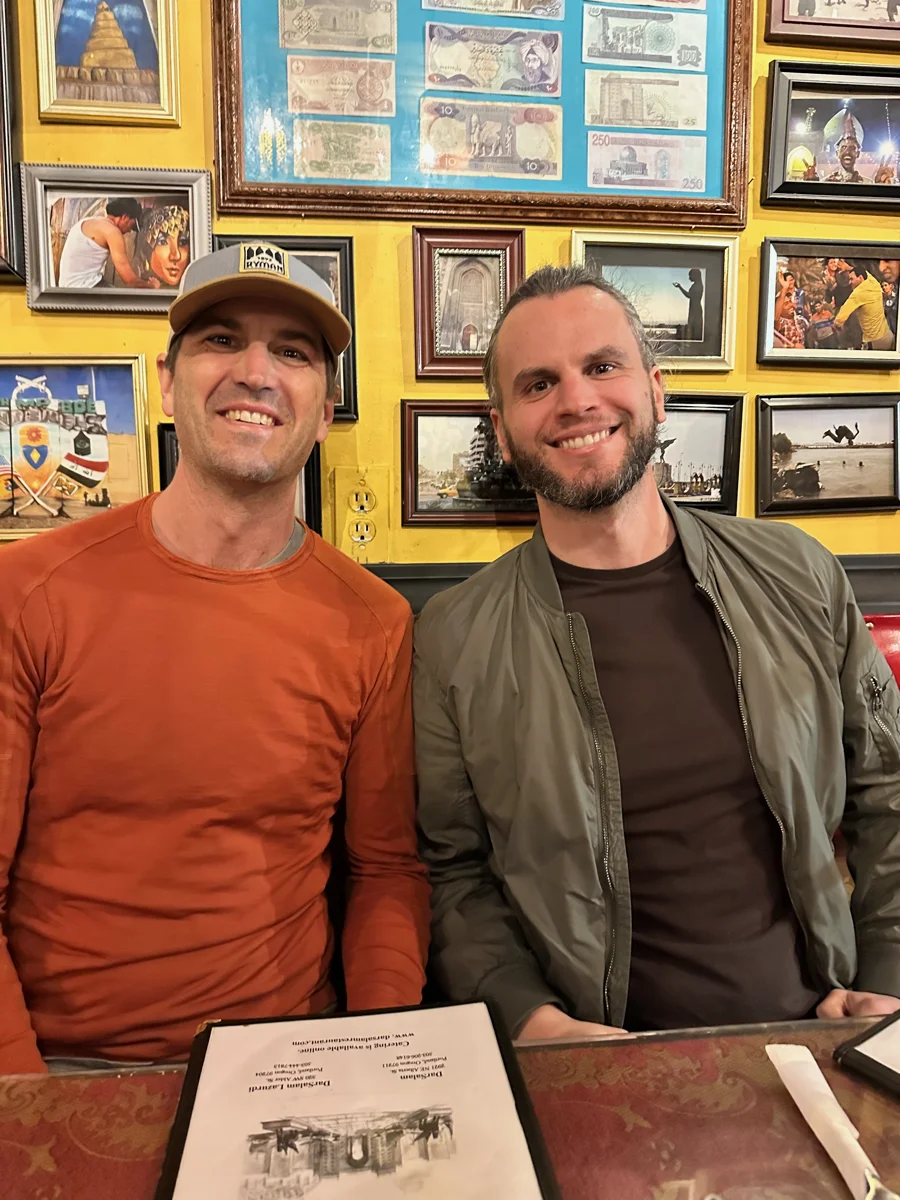
Whenever I surround myself with people with generally the same goals as me, I grow from it.
There is something about being around that energy.
You absorb it and it becomes a part of you.
You grow from it in ways that you aren't consciously aware of.
I believe this can be done both in person but also online.
In-person is always preferable, of course, but I've also found my people on Twitter and you can get similar energy from that if you put the effort into building relationships there.
You can also join communities or just reach out to people you admire. You can join a mastermind, online cohorts, or communities like Wildfront+ (our paid mastermind for bootstrapped SaaS founders) or Trends.vc. In person, you can attend conferences and meetups like MicroConf. If you're looking for 1-on-1 or group coaching specifically, see our guide to top coaches for founders.
Do whatever works for you, but I promise if you push yourself out of your comfort zone and learn by osmosis, it'll quickly give you an upgrade, plus you'll make new friends along the way.
Defining Your Goals Before Starting a SaaS Business
Know Your Why
It's helpful to articulate what draws us to going on this journey.
For some it could just be to have fun tinkering on nights and weekends.
For others it can be for freedom. For others maybe it's a way to make a lot of money.
For others it's for a certain lifestyle.
From there we want to ensure that this path does line up with our goals. If you're expecting freedom out of the gate, you're out of luck. You may achieve your idea of freedom but it's likely to take a long time and you may in fact lose a lot of freedom on the way.
For example, if you're working a full-time job, then spending your nights and weekends on your own projects, you won't be left with a lot of family time or other leisure time. If you have sufficient savings to quit your job and go all in, that's great if that's what you choose to do, but it's not without its risks.
For me, I saw early on I had what it took to be an entrepreneur because I just couldn't help myself working hard and effectively at my full-time job than spending nights and weekends tinkering. Years later when I joined a tiny startup, I was putting so much into it that I felt like if I was going to pour this much of myself into something, it makes sense that I would have ownership to benefit from those efforts.
So, for me, it was a combination of knowing my internal drive and that I should use it as an asset for myself. And also I wanted the freedom to be able to live how and where I wanted.
The latter did eventually arrive, but it took a long time. If I had needed to see results earlier than when the world was ready to give those to me, I would have quit long ago. Yet because I loved and enjoyed the process, that was okay.
But we also want to keep a holistic view of what we're trying to achieve.
We cannot lose sight of our physical and mental health.
I remember going to a micro-conf in 2017 and hearing a lot of people talk about the dangers to our mental health as solo founders.
I thought to myself, "Oh, that's not me, I'm good, I don't have to worry about that.".
Years later, as I was running a successful SAS on my own, the stresses and pressures took their toll. And I had a rough few years after that. I cannot stress how important it is to be mindful of how this is affecting us individually, our relationships, and our overall health.
Nothing is worth damaging our mental and physical health for, and at the same time, we cannot be at our best in anything without feeling physically and mentally good. So while in the short term it may be beneficial, it may not be.
Do You Need to Be Passionate About Your SaaS Product Idea?
Another thing, while this journey is incredibly fun and rewarding at times, it's also one of the most challenging things you'll ever do. So there needs to be passion somewhere.
That said, the passion does not need to be in the product itself.
For me, the passion is in the process. The process of solving problems in a business and in product itself.
In fact, I scaled to 61k MRR with a product I was not passionate about. That said, being passionate about the product is certainly helpful, especially when it comes to talking to customers. You may find that you are less reluctant to have those conversations.
I liken this to what it must be like to be a auto mechanic. If an auto mechanic is working on one of their favorite cars, that's a bonus. But the reality is they spend most of the time under the hood, and if they enjoy the process of working on engines, the type of car itself doesn't matter as much.
Playing to Your Strengths as a Solo SaaS Founder
The better you know yourself, the more effective you can be.
We often try to follow in the paths of those we admire.
Yet, tactical advice isn't something we generally want to follow verbatim. What works for one person is likely not going to work for the next.
This applies to everything from our approach to how we work, how we build products, and how we market.
Each individual product and market is a different beast.
What I'm referring to here applies to all of it.
If you see people having success building in public, for example, but you are averse to social media or simply don't enjoy it, you shouldn't feel like you need to force yourself to go that route too.
If you love to write long-form content, pay attention to that.
Being able to recognize and leverage your strengths and reduce friction by steering clear of where your weaknesses are, you'll find you can move much faster and more efficiently.
You are bound to be enjoying the process much more.
And this is where true efficiency lies, when we are having fun doing what we're doing.
Don't get me wrong, we're not always going to be having fun.
And we can't only focus on things that we enjoy or are great at.
There's a lot we need to be willing to learn along the way. And we need to be always pushing our boundaries and getting out of our comfort zone. But there are also times when it's worth recognizing and holding us back.
Getting Started: Your First Steps to Building a SaaS Business
If you're having fun the rest will fall into place. If you're having fun working on your business, you'll naturally find more time to work on it.
And with enjoyment comes efficiency, because having to fight procrastination, and force yourself to do things, will slow you down tremendously.
And the clearer our mind is for making smart decisions and staying focused on the right things, the more momentum we'll create, and the more motivation we'll have.
Enjoying the process, and making smart decisions is the secret to being able to create a powerhouse of a business on your own, and much more quickly.
My mission is to help as many people as possible reach their goal of making a living building what they want to build, living the life they want to live, and have fun doing it. And at the very least, you'll learn a shit-ton.
This is life on the other side - the life that many of us are striving for. You may not want to live abroad, but I bet you'd like to have the option to live how and where you want. I bet you want to be able to decided how you spend your day, when you take vacations, and where you work from. I bet you'd like to wake up to email notifications of customer payments that came in while you were sleeping.
Now get out there and start building.
Join a room of bootstrapped SaaS founders
Wildfront+ is an invite-only mastermind of vetted SaaS and app founders. With professionally facilitated calls, honest feedback, real connection, and peer support. Not ready to apply? Start free with the bootstrapper academy.